
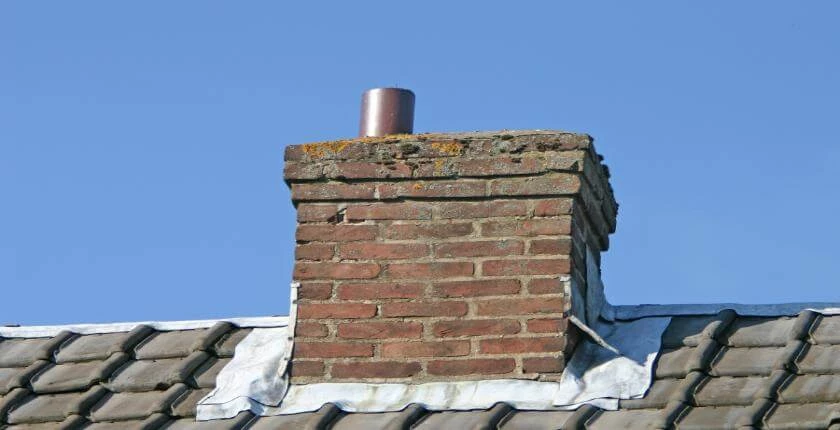
Lead Flashing Repairs
Get in TouchAt JCR Roofing & Guttering Ltd, we specialise in lead flashing repairs, providing a solution to prevent water ingress and protect your property. Lead flashing is crucial for sealing joints and angles on roofs, particularly around chimneys, walls, and dormers.
Our skilled team addresses common issues such as weathering and displacement, ensuring your lead flashing remains effective and long-lasting. With service coverage extending through , we deliver reliable repairs for any property type.
Contact us today to ensure your property's protection against the elements.
What Is Lead Flashing Repairs?
Lead flashing repairs involve restoring and maintaining the effectiveness of lead flashing, which is essential for sealing roof joints and preventing water ingress. At JCR Roofing & Guttering Ltd, we tackle issues such as cracking, corrosion, and displacement that impact lead flashing.
Our process includes a assessment of the current conditions, employing methods like site inspections and infrared thermography to identify hidden faults.
We replace damaged sections with code-compliant lead sheets, considering variables such as expansion and contraction due to temperature changes. Re-sealing joints with lead-welding techniques and advanced sealants enhances the waterproofing capability.
We adhere to BS 6915 standards to ensure durability and performance.
Effective lead flashing is vital in protecting both residential and commercial roofs from potential water damage, which can lead to costly structural repairs if left unchecked. Contact us today to secure your roof's integrity.
What Types of Lead Flashing Repairs Are Available?
We offer several types of lead flashing repairs tailored to various issues experienced. Lead flashing is crucial for preventing water ingress, especially around chimneys, roof junctions and valleys.
Our services include:
Replacement: Removing damaged flashing and installing new lead strips. We use Code 4 or Code 5 lead, which are commonly used grades for optimal durability and flexibility.
Refixing: Securing loose flashing to prevent water seepage. This involves using stainless steel fixings to hold the lead firmly in place.
Sealing: Applying polyurethane or bitumen-based sealants to joints and overlaps for enhanced waterproofing and long-term resilience against harsh weather conditions.
Cleaning: Removing debris and corrosion to maintain flashing integrity. We conduct a visual inspection to identify areas prone to oxidative degradation, using soft brushes to safely clean the surface.
By addressing these issues, we help prolong the life of your roof structure and prevent potential water damage. Contact us to discuss your lead flashing repair needs.
Which Lead Flashing Repair Option Is Right for My Roof?
Choosing the right lead flashing repair depends on the roof's specific needs and condition, as well as building type and climate considerations:
Replacement: This is optimal for extensively damaged or aged flashing. We use Code 4 or Code 5 lead, known for durability, to ensure a long-lasting solution that meets BS EN 12588 standards for thickness and weight.
Refixing: Ideal for situations where flashing has become loose but remains otherwise sound. We use stainless steel fixings to secure the flashing, ensuring it can withstand wind uplift and temperature fluctuations.
Sealing: Suitable for minor gaps and preventive maintenance, especially for residential properties. We employ lead sealant that provides elasticity and adherence, effectively preventing water ingress.
Cleaning: Regular cleaning is necessary to maintain flashing and prolong its life. We use specialised cleaning equipment to remove debris and prevent corrosion, suitable for both commercial and heritage buildings.
For thorough guidance, consult our team to determine the most suitable approach for your property.
What Areas Does Lead Flashing Work On?
Lead flashing is used on many areas of a roof to ensure watertight protection, offering a durable seal that accommodates the natural expansion and contraction of materials. These include:
Chimneys: Sealing the base to prevent leaks and withstand the high heat generated by chimneys, maintaining the integrity of both the chimney and roof.
Valleys: Protecting roof joints where two slopes meet by guiding water safely down to the gutters, minimising the risk of water damage and erosion.
Dormers: Securing the intersections with the roof body where dormers protrude, ensuring each joint is reinforced against wind and rain ingress.
Abutments: Providing a seal between wall and roof surfaces to prevent water penetration at these critical junctions, particularly where different materials meet.
Lead flashing is renowned for its longevity and compatibility with traditional roof styles. While these are common applications, lead flashing is not typically used on flat roofs or non-traditional roofing materials like fibreglass, where different sealing techniques are more appropriate.
If you need assistance identifying the best flashing for your roof type, get in touch with us today!
When Is Lead Flashing Repairs Needed?
Lead flashing repairs are necessary when you notice signs of wear, such as leaks around joints, visible gaps, or displaced flashing. In , frequent weather changes, including heavy rain and temperature fluctuations, contribute to the need for regular inspections and timely repairs.
This can result in damaged roof structures or reduced energy efficiency if not properly maintained. Commonly used techniques for repair include the application of roof sealants or the re-soldering of joints to ensure a watertight seal.
Additionally, using appropriate grades of lead such as Code 4 or Code 5 can prolong the lifespan of your flashing. We recommend addressing any damage promptly to prevent further issues, including potential water ingress and structural damage.
Contact us to schedule an inspection and safeguard your roof.
How Does Lead Flashing Repairs Work?
Our lead flashing repair process involves several key steps, each crucial to ensuring the longevity and effectiveness of the repair:
Assessment: We evaluate the condition of the existing flashing, checking for common issues such as cracks, warping, or oxidation, which could compromise its waterproof integrity.
Cleaning: We thoroughly remove any debris or corrosion, using specialised tools and cleansers to prepare the surface for repair.
Repairs: Damaged sections are either fixed with lead soldering techniques or completely replaced, using materials compliant with BS 6915 standards for leadwork in roofing.
Sealing: We apply lead sealants to all joints and overlaps, enhancing water resistance and preventing future leaks.
Final Inspection: A detailed examination ensures repairs meet our quality benchmarks and are effective in protecting your property long-term.
This structured approach provides a durable solution that safeguards both residential and commercial properties against water ingress. Contact us today for reliable lead flashing repairs.
How Long Does Lead Flashing Repairs Take?
Lead flashing repairs generally take one to two days, depending on the extent of the damage and the accessibility of the area. We use modern diagnostic tools to identify underlying issues such as moisture infiltration and thermal movement, which can affect the repair timeline.
For larger commercial properties, repairs might extend to three days due to the complexity of structures and the need to coordinate with existing roofing systems. We are adept at working with various roofing materials like slate, tile, and asphalt to ensure seamless integration with the existing roof.
Once repairs are completed, we ensure that curing and sealing are optimal, adhering to British Standards like BS 6915:2001 for installation quality. This guarantees full protection within a short timeframe.
For precise timing, we conduct a thorough assessment at the outset. For an expert evaluation, contact us today.
Who Needs Lead Flashing Repairs?
Lead flashing repairs are essential for both residential and commercial properties where traditional roofing materials, such as slate or clay tiles, are used. Flashing is crucial in preventing water ingress at roof junctions and penetrations.
Property owners experiencing persistent leaks around chimneys, valleys, or dormers, or planning routine maintenance are typical clients. Our services cater to buildings of varied heights and complexities, including listed buildings where conservation-approved methods are required.
We ensure that materials like code 4 or code 5 lead are used for durability and compliance with building standards such as BS EN 12588. Additionally, our team is equipped with scaffolding and safety harness systems to safely access hard-to-reach areas.
Whether you're facing issues with cracked, corroded, or missing flashing, we can provide an effective and long-lasting solution. Contact us to discuss your requirements today.
How Much Does Lead Flashing Repairs Cost?
Lead flashing repairs typically cost between £75 and £250 per metre. The price depends on factors such as the extent of the damage, the accessibility of the area, and the complexity of the roof design.
Additional factors include the type of lead used, as code 3 and code 4 lead are commonly used for flashing, with different costs for each. The surrounding materials can also affect the price; interaction with brickwork, tile, or slate may require specialised tools or additional sealing compounds.
Repairing lead flashing is essential to prevent leaks that could damage internal structures, particularly in older properties that might feature heritage architecture. For a quote, we recommend a site visit to assess your specific requirements.
Contact us for tailored pricing today.
What Are the Benefits of Lead Flashing Repairs?
Lead flashing repairs offer numerous benefits for properties:
Waterproofing: Prevents leaks and water damage by creating a watertight barrier where roof surfaces meet vertical walls or chimneys, crucial during heavy rainfall or snow.
Durability: Lead flashing is known for its longevity, typically lasting several decades. It withstands extreme weather conditions, including expansion and contraction caused by temperature changes, without deteriorating.
Aesthetic Appeal: Enhances the overall look of your roof with its malleable and malleable properties, allowing for custom shaping to fit the architectural design.
Cost Efficiency: Prevents costly repairs from water damage, reducing the need for frequent maintenance or re-roofing. Its recyclable nature also contributes to environmental sustainability.
Fire Resistance: Lead flashing provides excellent fire-resistance, offering additional safety by reducing the spread of flames.
Invest in professional repairs to enhance your property's value and protection.
Why Choose JCR Roofing & Guttering Ltd for Lead Flashing Repairs?
At JCR Roofing & Guttering Ltd, we combine our extensive expertise with premium materials to provide reliable lead flashing repairs. Our certified technicians are skilled in various lead flashing techniques, including the use of milled lead and sand-cast lead, both of which comply with BS EN 12588 standards for durability and flexibility.
We begin each project with a thorough inspection using moisture meters and thermal imaging to identify issues such as water ingress and thermal bridging. Our repairs address common problems like cracked or corroded flashing, ensuring a secure seal to prevent future leaks.
Our repairs are ideal for both residential clients and commercial properties, helping to maintain structural integrity and property value.
For a professionally managed project, contact us to learn how we can enhance your property's resilience.
Lead Flashing Repairs: Frequently Asked Questions
How often should lead flashing be inspected?
Lead flashing should be inspected twice a year to ensure its effectiveness and durability, particularly after harsh weather conditions.
Can lead flashing be repaired rather than replaced?
Yes, lead flashing can often be repaired by resealing or refixing, depending on the extent of the damage. We will assess your needs during our initial evaluation.
Is lead flashing repair covered by insurance?
Many insurance policies include coverage for roof repairs, including lead flashing, but this varies. Check your specific policy for details applicable.
What signs indicate lead flashing needs repair?
Look for leaks, gaps, or visible displacement of flashing, which suggest a need for repairs. If you notice these signs, contact us for an assessment.
How long does lead flashing last after repairs?
Properly repaired lead flashing can last up to 30 years, depending on maintenance and environmental conditions typical to .
Get a Free Quote for Lead Flashing Repairs
Contact us today for a free quote on lead flashing repairs. Whether you need an urgent repair or a routine inspection, JCR Roofing & Guttering Ltd delivers reliable solutions.
Related Lead Flashing Repair Services
Lead flashing protects vulnerable roof junctions from water ingress and can deteriorate through age, weather exposure and movement.
Where flashing has contributed to a leak, our roof leak repair service can investigate the source.
Chimney junctions may require chimney repairs and repointing alongside flashing work.
For wider pitched roof defects, pitched roof repairs can address the surrounding roof covering.