
Felt Roofing
Get in TouchAt JCR Roofing & Guttering Ltd, we offer professional felt roofing services and surrounding areas, including . Our skilled team specialises in installing, repairing, and maintaining felt roofs to provide long-lasting protection against the elements.
Felt roofing, made from bitumen-coated layers, is ideal for flat or gently sloping roofs and can solve issues like leaks and weather damage. Contact us today to arrange your felt roofing solution.
What Is Felt Roofing?
Felt roofing is a durable roofing material commonly used for flat roofs. At JCR Roofing & Guttering Ltd, we use felt composed of bitumen-soaked sheets, which are often reinforced with fibreglass or polyester.
The incorporation of fibreglass provides added tensile strength and stability, making these materials optimal for long-term performance.
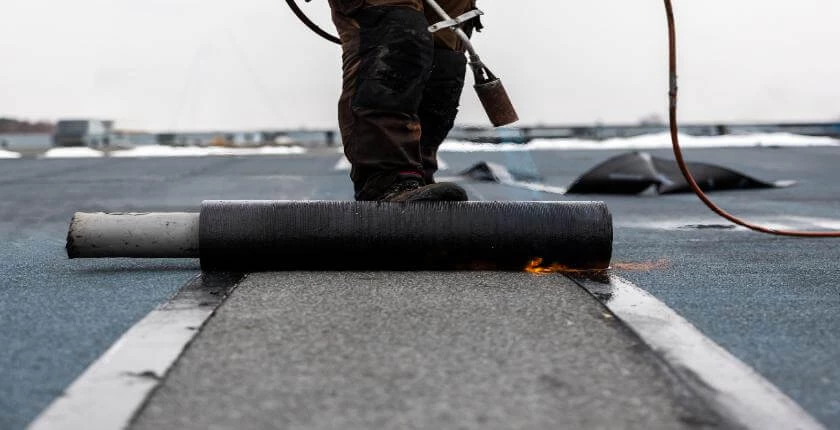
We apply felt roofing using a torch-on method, which involves using propane gas torches to create a bond between layers. This method prevents water ingress and ensures a robust, weather-resistant finish.
It is suitable for various structures, including garages, extensions, and commercial properties throughout .
Felt roofing is particularly effective for properties exposed to harsh weather conditions, providing a reliable solution to avoid water pooling and related structural issues. For those considering refurbishments or new builds, felt roofing is cost-effective and typically requires maintenance only once every 10 to 15 years.
Contact us to discuss how felt roofing can protect your property.
What Types of Felt Roofing Are Available?
In , we offer a variety of felt roofing options to meet different needs. Our felt roofing solutions are suitable for both residential and commercial properties, ensuring durability and reliability.
Torch-on Felt: Applied using a blowtorch to bond the felt layers securely, this method provides a waterproof finish ideal for flat roofs. The use of multiple layers increases longevity and resistance to harsh weather conditions.
Self-Adhesive Felt: Provides an easy installation method without the need for heat, making it suitable for smaller projects or areas where a blowtorch is impractical. It is a clean and efficient option that fits well in areas with limited access to electrical equipment.
Pour and Roll Felt: Traditional installation involving hot bitumen poured on the roof surface. This method is excellent for irregular roof shapes as it can be moulded to various contours, offering a flexible and robust seal.
Each type offers unique benefits depending on your specific roofing requirements. Contact us to discuss which option is best for your project.
What Surfaces Does Felt Roofing Work On?
Felt roofing is versatile and works well on a range of surfaces. At JCR Roofing & Guttering Ltd, we typically install felt roofing on flat or low-pitched roofs, where its water-resistant properties are most effective.
The material's flexibility makes it an excellent option for garages, home extensions, and commercial buildings, providing a durable solution that can withstand moderate weather conditions.
We often use torch-on felt, which is applied using a propane torch to bond the layers, ensuring a secure and watertight seal. Additionally, cold adhesive techniques can be employed, which are ideal for sensitive environments where heat application is not feasible.
The installation process usually requires two to three layers of felt to meet waterproofing standards.
However, felt roofing is not suitable for steep-sloped roofs where alternatives like tiles or slate may be required due to their better ability to shed water quickly. If you're considering felt roofing for your property, we'd be happy to assess your specific needs and provide a tailored solution.
When Is Felt Roofing Needed?
You may need felt roofing for several reasons. Common situations include replacing an old or damaged roof, upgrading a structure to improve insulation, or installing a roof on a new build.
Felt roofing is particularly suitable for flat roofs due to its durability and flexibility. It helps to create a waterproof barrier, which is crucial in preventing water ingress and weathering.
Implementing felt roofing can also contribute to energy efficiency, as it provides an additional layer of thermal insulation.
In commercial settings like warehouses or retail spaces, felt roofing is ideal because of its cost-effectiveness and ease of repair. For residential properties, felt roofing offers a quick installation advantage, often taking one to two days for smaller projects.
We use industry-standard materials such as bitumen polyester felts, ensuring long-lasting protection against varying weather conditions.
Request a free quote from us today.
How Does Felt Roofing Work?
Our felt roofing process at JCR Roofing & Guttering Ltd involves several detailed steps to ensure durability and efficient waterproofing. We begin by thoroughly cleaning and smoothing the roof surface to ensure proper adhesion and prevent any irregularities that could affect the felt's application.
Surface Preparation: We clean and smooth the roof surface to ensure proper adhesion, using tools like scrapers and brushes to remove debris and old materials.
Applying Underlay: Underlay sheets are laid to enhance the waterproofing quality. These are typically made from bitumen and provide an additional layer of protection against moisture seepage.
Felt Installation: The chosen felt type is applied using the appropriate method (torch-on, self-adhesive, or pour and roll), tailored to the property's requirements. We offer options like standard polyester or elastomeric bitumen felts, each providing specific benefits.
Sealing Joints: All edges and joints are sealed to prevent water ingress, using heat welding or liquid-applied sealants to ensure a tight seal and long-lasting protection.
Each step is performed with care to ensure your felt roof is both reliable and long-lasting. Contact us to book a consultation for your felt roofing needs.
How Long Does Felt Roofing Take?
Felt roofing installation typically takes one to two days. The exact duration depends on the roof size and complexity.
For instance, a small residential roof can often be completed within a single day, whereas larger commercial properties might require two to three days, particularly if additional layers of insulation or ventilation features are planned. During installation, we employ torch-on techniques for bonding multiple layers of felt, ensuring durability and resistance to harsh weather conditions.
After installation, the roof is immediately weatherproof, but we advise minimal foot traffic for at least 24 hours while the materials bond securely. This allows the bitumen in the felt to set correctly, maintaining its protective properties.
Discuss your project timeline with our team to ensure convenience.
Who Needs Felt Roofing?
Felt roofing is ideal for residential and commercial properties due to its versatility and resilience. Homeowners appreciate it for its durability against weather conditions and its cost-effectiveness.
Builders often select felt roofing for garages, extensions, and outbuildings, as it provides a waterproof barrier when installed correctly. Users can choose from different grades of felt, such as 1F and 3-layer systems, to match the specific needs of their projects.
Property managers in commercial settings value felt roofing for flat roofs on structures like warehouses and office blocks. These properties benefit from the material's ease of installation and low maintenance requirements.
When applied with proper underlay and bitumen adhesive, felt roofs can provide long-lasting protection. If you require reliable roofing solutions, contact JCR Roofing & Guttering Ltd.
How Much Does Felt Roofing Cost?
Felt roofing costs around £40 to £70 per square metre. This cost includes materials and installation, with the total price influenced by factors such as the roof's size, the type of felt used, and the roof's complexity.
Common types of felt include traditional bitumen, polyester-reinforced felt, and torch-on felt, each offering different levels of durability and flexibility. The installation process often involves using specialised tools like felt fixers and hot-air welders, which ensure a secure and weatherproof finish.
Additionally, the cost may vary if additional layers of insulation or ventilation systems are required to meet building regulations or specific thermal performance standards. For a precise quote tailored to your project, get in touch with us.
What Are the Benefits of Felt Roofing?
Felt roofing offers several advantages for properties, both residential and commercial. It is particularly popular due to its affordability and efficiency in challenging weather conditions typical of the area.
Cost-Effective: Felt roofing is a more affordable solution compared to materials like slate or tile, making it an attractive option for budget-conscious property owners while still providing reliable coverage.
Durability: This material is designed to withstand harsh weather such as heavy rain, snow, and high winds, reducing the need for frequent repairs. Felt roofing often includes reinforced bitumen membranes and is resistant to potential leaks.
Versatility: It is suitable for a variety of roof types and structures, including flat roofs commonly used in garages, extensions, and commercial properties.
Easy Maintenance: With a lifespan of typically 10 to 20 years, felt roofing requires minimal upkeep, needing only periodic inspections and maintenance to address any wear.
To explore the benefits of felt roofing for your property, contact us today.
What Regulations Apply to Felt Roofing?
While felt roofing itself is not subject to specific regulations, installations must comply with UK building regulations. This ensures fire safety and adequate insulation.
These regulations set out standards for thermal performance, so the roofing must meet U-value requirements to prevent heat loss. Furthermore, as part of the broader Part L regulations, felt roofing must contribute to the conservation of fuel and power by ensuring efficient insulation.
Additionally, the materials used should adhere to the BS 747 standard, which specifies the requirements for roofing felts. We also need to consider potential load-bearing to ensure the structure can support the weight of the roofing.
For flat roofs specifically, drainage requirements under Part H must be met to prevent water build-up.
We recommend consulting with a local building authority to confirm compliance for your project and adequately address any regional variations in codes.
Why Choose JCR Roofing & Guttering Ltd for Felt Roofing?
Choosing JCR Roofing & Guttering Ltd for felt roofing guarantees expertise and quality. Our team is experienced with various felt roofing types, including torch-on, self-adhesive, and pour and roll systems, ensuring each project is completed to the highest standard.
We work with reliable materials such as bitumen-based membranes, known for their durability and weather resistance. Our team adheres to industry standards like BS 8217 to ensure safety and quality in every installation.
We have the equipment necessary for precise application, such as gas torches for torch-on systems and seam rollers for self-adhesive installations. Regularly maintaining felt roofs can prevent problems like water ingress and thermal inefficiency, benefiting residential and commercial properties alike.
We cover and the surrounding area, offering reliable service from start to finish. Contact us today to discuss your felt roofing needs and get a detailed quote.
Felt Roofing: Frequently Asked Questions
How long does felt roofing last?
Felt roofing can last 10 to 20 years, depending on the weather conditions and maintenance.
How do you maintain felt roofing?
Regular inspections and clearing debris helps maintain felt roofing. Contact JCR Roofing & Guttering Ltd for expert maintenance services.
Is felt roofing suitable for all roof types?
Felt roofing is best for flat or low-pitched roofs. It's unsuitable for steeply pitched roofs.
Can felt roofing be repaired?
Yes, we offer repairs for felt roofing. Contact us to discuss your specific repair needs.
What is the cost range for felt roofing replacement?
Replacement costs range from £40 to £70 per m², inclusive of materials and installation.
Get a Free Quote for Felt Roofing
Contact JCR Roofing & Guttering Ltd today to discuss your felt roofing needs and receive a free, no-obligation quote.
Related Felt Roofing Services
Felt roofing provides a waterproofing solution for suitable roof applications, with installation and related roofing services available.
Flat roofs requiring remedial work can be assessed through our flat roof repair service.
Where a felt system has reached the end of its serviceable life, flat roof replacement may be appropriate.
Alternative flat roof systems include EPDM rubber roofing.
For a fibreglass solution, our GRP fibreglass flat roofing service provides another option.